Planning a Burial Service That Honors Tradition
Losing someone you love is never easy. And in the midst of grief, being asked to make important decisions about burial planning can feel overwhelming. But here's something worth holding onto: planning a burial service that honors tradition is one of the most meaningful things you can do for your loved one. It's a way of saying, this person mattered, and the way we say goodbye matters too.
Whether your family follows a specific religious tradition, a cultural practice passed down through generations, or a set of personal values your loved one held dear, a thoughtful burial service can bring real comfort — not just in the moment, but for years to come. This guide is here to walk you through the process, step by step, so you can approach burial planning with a little more clarity and a lot less stress.
What Does "Honoring Tradition" Really Mean?
Traditions in burial aren't one-size-fits-all. They're deeply personal and vary widely depending on a family's faith, cultural background, and even regional customs. Some families lean on formal religious ceremonies — a Catholic Mass, a Jewish graveside service, or a Christian graveside committal. Others follow cultural traditions rooted in Indigenous practices, military customs, or heritage-based rituals. And some families create their own meaningful traditions that reflect exactly who their loved one was.
When we talk about how to plan a burial service that honors tradition, we're really talking about honoring the person — their faith, their values, their story, and the community they were part of. That's the heart of it.
Start With the Essentials: First Steps in Burial Planning
Before you get into the details of the service itself, there are a few immediate decisions that need to be made.
These first steps will shape everything else:
Choose between burial and cremation. Some traditions strongly favor one over the other. For example, many Christian, Jewish, and Islamic traditions have historically preferred in-ground burial, while some Buddhist and Hindu traditions incorporate cremation. If your loved one pre-planned their arrangements or expressed their wishes beforehand, this decision may already be made for you. If not, it's worth gathering the family to discuss what feels most aligned with your loved one's beliefs.
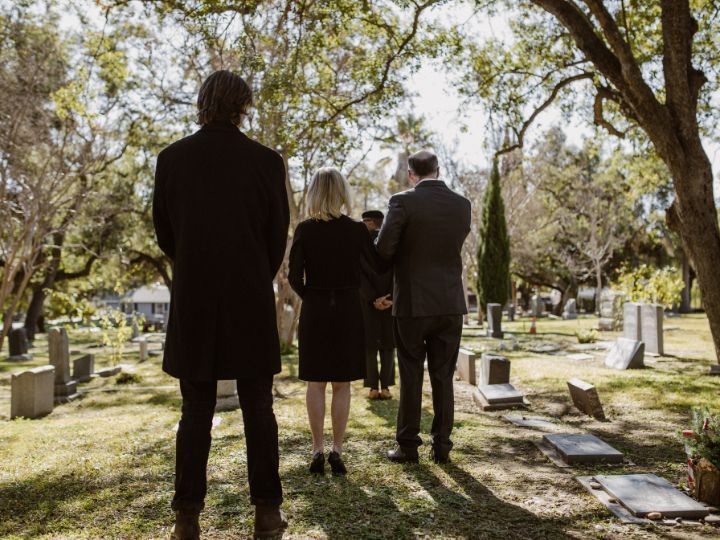
Determine the location. Will the service be held at a funeral home, a place of worship, a graveside, or a combination of these? Many families hold a viewing or visitation first, followed by a funeral service at a church or chapel, and then a graveside committal. Others prefer a more intimate graveside service only. What feels right will depend on your family's tradition and your loved one's wishes.
Notify immediate family and close friends. Before making any formal arrangements, make sure the people closest to your loved one know what has happened. You'll want their input — and their support — as you move forward.
Common Traditions in Burial Services
Understanding what's typically involved in burial services across different traditions can help you decide what elements feel right for your family.
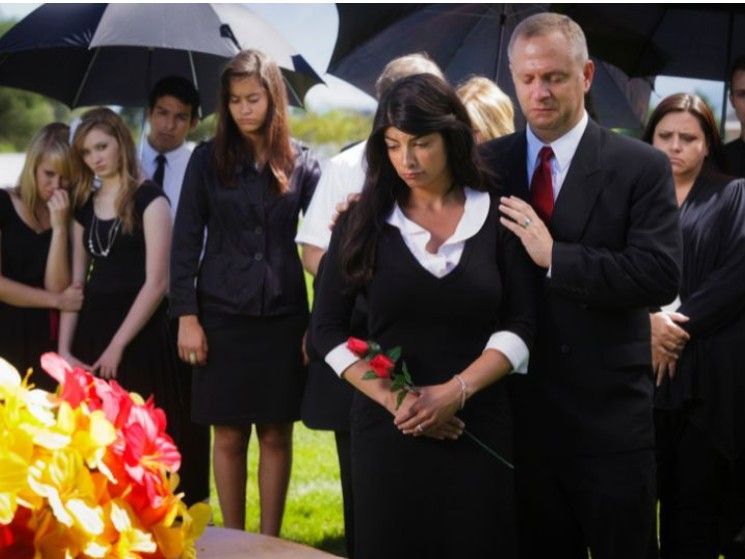
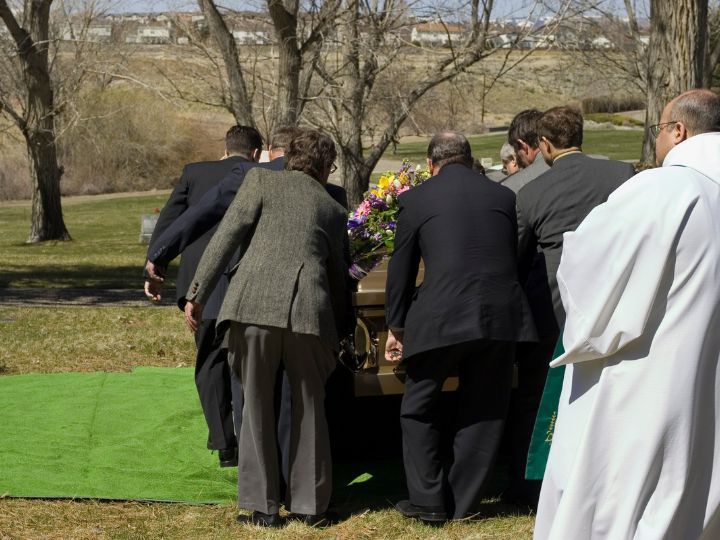
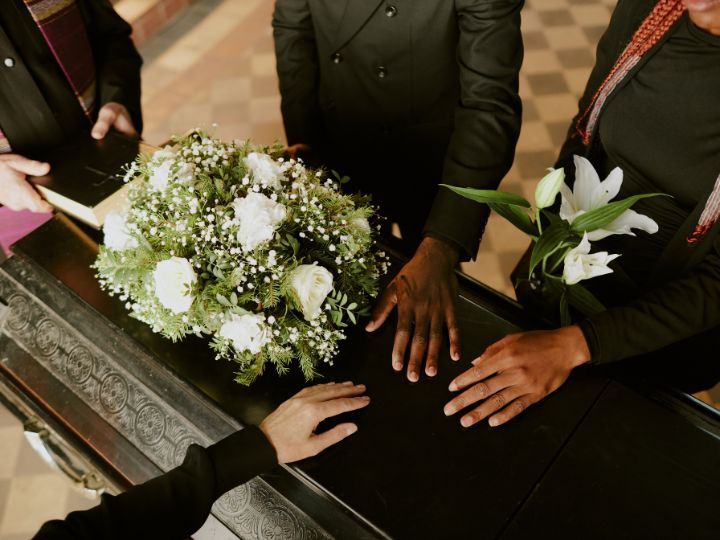
Traditional Christian burial services often include a visitation or viewing period where family and friends can pay their respects, followed by a funeral service with prayers, scripture readings, and a eulogy, and then a graveside committal. Flowers, music, and a reception afterward are common elements.
Jewish burial traditions emphasize simplicity and respect for the body. Services are typically held promptly — ideally within 24 hours of death — and are guided by specific rituals, including the recitation of Kaddish. A plain wooden casket is traditionally used, and the mourning period that follows, known as shiva, is an important part of the healing process.
Catholic funeral rites typically involve a vigil service the evening before, a funeral Mass, and a committal at the graveside. The presence of a priest and specific prayers and readings are central to honoring the Catholic faith.
Military and veteran burial traditions carry their own set of honorable customs — the presentation of the American flag, the playing of "Taps," and, where applicable, a rifle volley salute. These services are profoundly meaningful for veterans' families and can be coordinated with military honors through the funeral home.
Culturally rooted traditions vary enormously. Filipino families, for example, often hold extended wakes that last several nights, bringing together the community for prayer, fellowship, and remembrance. Mexican families may incorporate elements of Día de los Muertos traditions. Indigenous burial customs vary by nation and are deeply tied to spiritual beliefs and connection to the land.
No matter where your traditions come from, they deserve to be honored with care and attention to detail.
What Tasks Can a Funeral Home Handle on Your Behalf?
This is where working with a compassionate, experienced funeral home truly makes a difference. When you're grieving, the last thing you should have to worry about is logistics. A funeral home like Sig's Funeral & Cremation Services can handle a wide range of burial arrangements on your behalf, so you can focus on being present with your family.
Here's what a trusted funeral home can take care of for you:
Transportation and care of your loved one. From the moment of passing, the funeral home can arrange to bring your loved one into their care, ensuring they are treated with the highest level of dignity and respect throughout the entire process.
Documentation and legal requirements. Filing a death certificate, obtaining burial permits, and coordinating with the appropriate government agencies involves a lot of paperwork. Your funeral director will handle all of this for you.
Coordinating with cemeteries and crematoriums. Whether you've chosen a specific cemetery or need help identifying one that fits your family's needs, the funeral home will coordinate everything — scheduling, permits, and all the necessary arrangements with the cemetery staff.
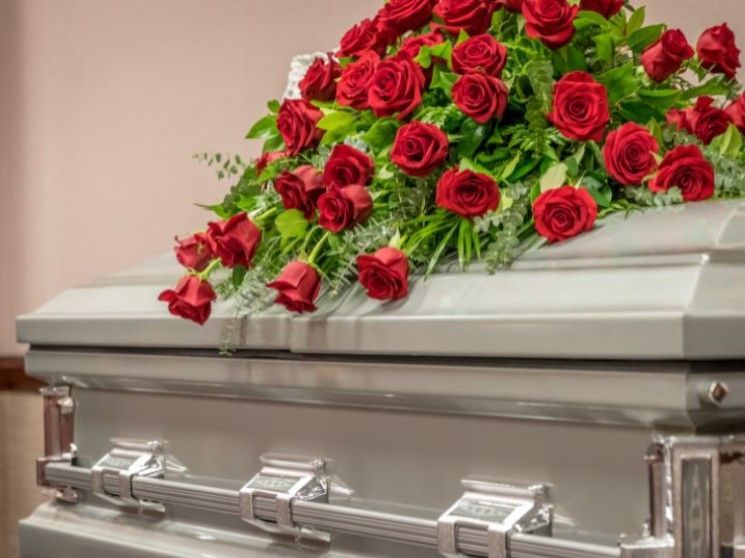
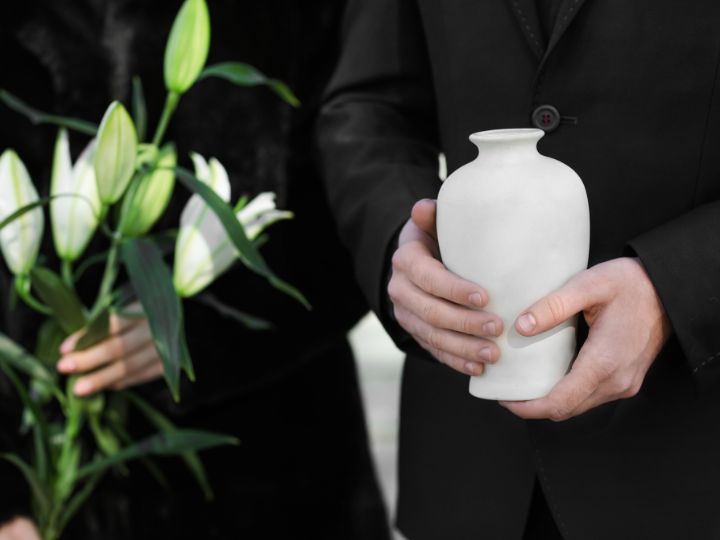
Casket or urn selection. Your funeral director can walk you through the available options and help you choose something that reflects your loved one's personality and your family's values. From traditional wood caskets to eco-friendly options, there's a wide range to consider.
Arranging the service itself. This includes coordinating the order of service, working with clergy or officiants, arranging music, helping write or review the obituary, and setting up the space for the visitation or funeral service. If your family has specific cultural or religious traditions, your funeral director will work with you to make sure every detail is respected.
Facilitating military honors. For veteran families, the funeral home can coordinate with the appropriate military branch to arrange official honors for your loved one's service.
Grief support resources. A good funeral home doesn't just help you through the service — they support you afterward, too. Many offer access to grief counseling resources, support groups, and follow-up care to help families as they navigate the weeks and months ahead.
How to Make the Service Truly Personal
A burial service that honors tradition doesn't have to be rigid or impersonal. In fact, the most meaningful services are the ones that weave together tradition and the unique personality of the person being remembered.
Think about what made your loved one them. Was there a piece of music they loved? A favorite scripture or poem? A hobby or passion that defined them? A gathering spot or community that was central to their life? All of these can be woven into the service in ways that feel natural and deeply honoring.
Personalization might look like displaying a photo tribute alongside traditional floral arrangements. It might mean having a family member share a personal story during the service, or incorporating a cultural food tradition at the reception that follows. It might mean releasing doves, lighting candles, planting a memorial tree, or creating a memory table with meaningful objects from your loved one's life.
These personal touches don't diminish the tradition — they deepen it. They transform a burial service from a formal obligation into a true celebration of life.
Planning Ahead Makes a Difference
One of the greatest gifts you can give your family is pre-planning your own burial arrangements. When your wishes are documented in advance, your loved ones are spared the burden of making difficult decisions during an already painful time. Pre-planning also ensures that your traditions, values, and preferences are honored exactly as you would want them to be.
If you haven't already, it's worth having that conversation with your family — not as a morbid exercise, but as an act of love and care for the people who matter most to you.
Let Sig's Help You Honor What Matters Most
At Sig's Funeral & Cremation Services, we believe that every life is unique, and every funeral should be, too. We understand that traditions in burial run deep, and we are committed to honoring the dignity of every life while guiding your family through each step with compassion and attentiveness.
Whether you need immediate assistance after a loss or you'd like to begin planning ahead, our team is here for you — 24 hours a day, seven days a week. We'll listen carefully, help you understand your options, and work alongside you to create a burial service to honor your loved one in a way that feels true to who they were.
If you'd like to learn more or begin making arrangements, we invite you to reach out to us at (360) 656-5459 or visit us at 809 W. Orchard Drive, Suite #2, Bellingham, WA. You can also start online arrangements at your own pace through our website. We're honored to walk with you through this.