How Traditional Funeral Services Have Evolved
Funerals have always been about one thing at their core — honoring a life and giving the people left behind a meaningful way to say goodbye. But the way we do that has changed quite a bit over the years. If you've attended a funeral service recently and noticed it felt nothing like the ones you remember from decades past, you're not imagining things. Funeral services have gone through a quiet but significant transformation, and understanding those changes can actually help you make better decisions for yourself and your family.
What a Traditional Funeral Looked Like
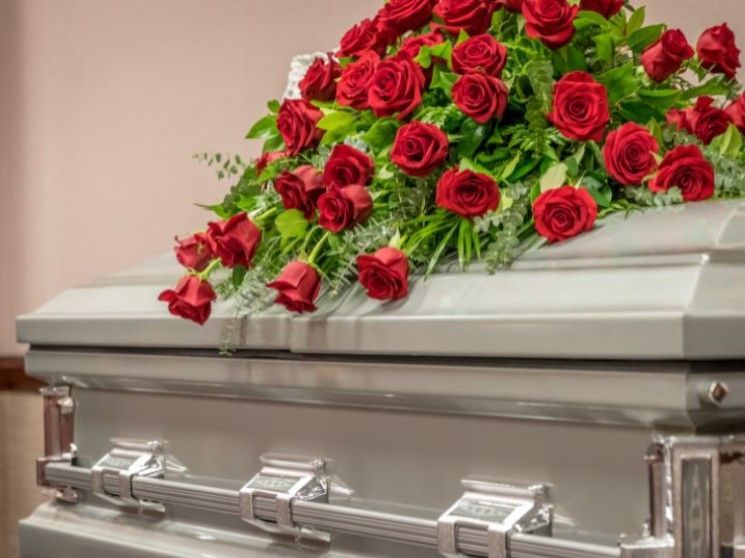
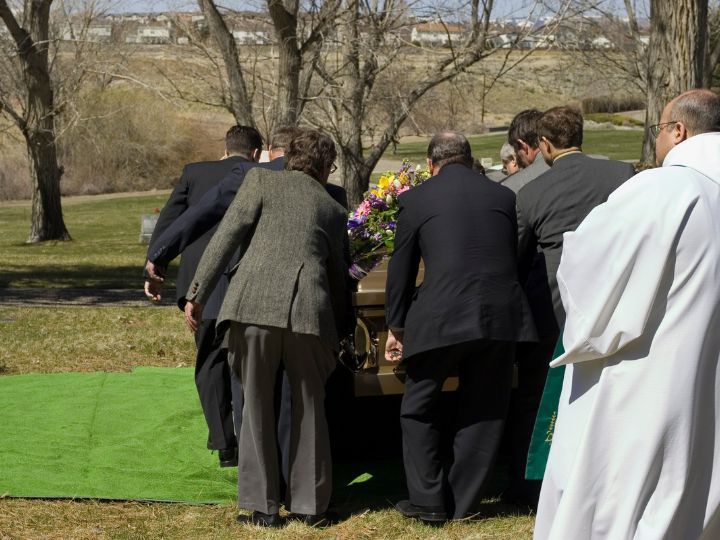
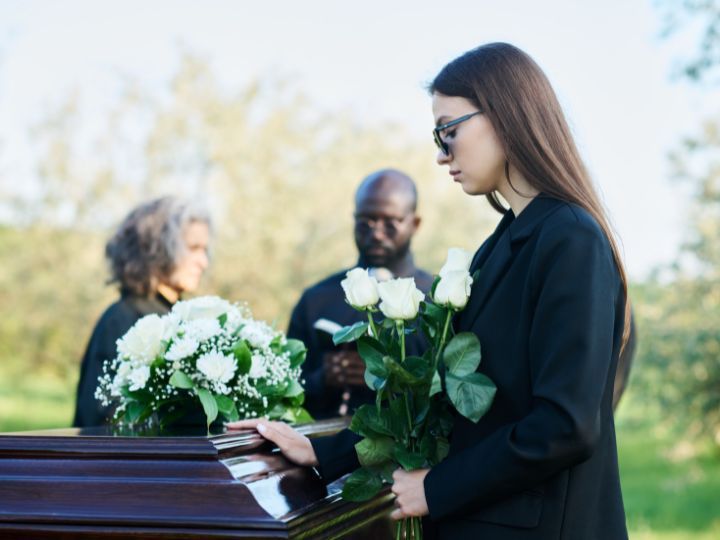
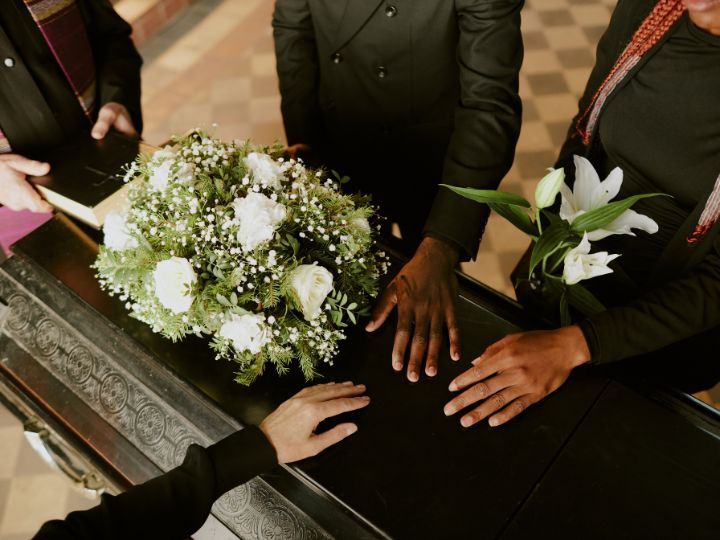
For most of the 20th century, a traditional funeral followed a fairly consistent structure. There was a viewing or visitation at the funeral home, followed by a formal funeral service — often held at a church or chapel — and then a graveside burial. Embalming was considered standard practice. A casket was selected, flowers were arranged, and an officiant, usually a religious leader, led the service with prayers and scripture.
This format offered something powerful: a clear, recognized ritual that guided grieving families through one of the hardest experiences of their lives. There was comfort in the familiarity of it. Everyone in attendance knew what to expect, and that predictability created a kind of collective space for mourning.
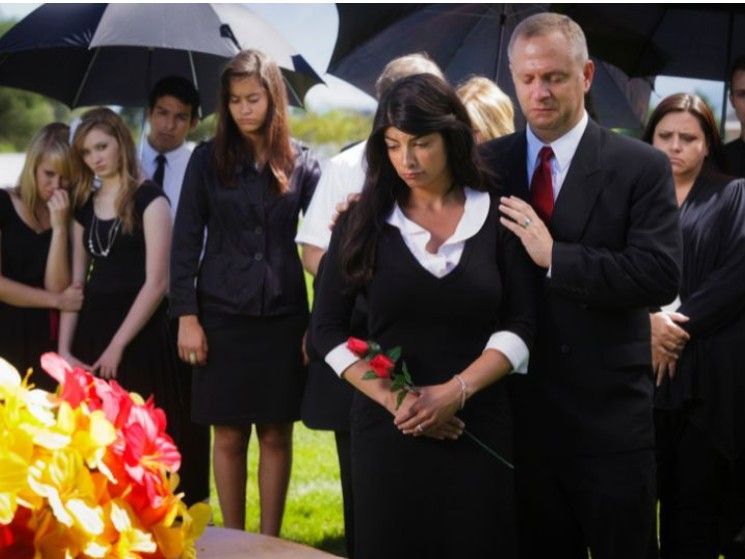
Traditional funerals also placed a strong emphasis on community gathering. Extended family, neighbors, and coworkers all came together in one place at one time to pay their respects. For many families, that physical presence was everything.
What Changed — And Why
So what shifted? A few things happened at once.
Changing religious and cultural landscapes. As the U.S. became more religiously diverse — and as more people identified as non-religious — the church-centered funeral began to feel less universal. Families started looking for services that reflected their own beliefs, values, and traditions rather than a one-size-fits-all religious template.
The rise of cremation. Cremation rates in the United States have climbed steadily for decades. According to the National Funeral Directors Association, cremation now accounts for the majority of dispositions in the country. This opened the door to more flexible memorial options — families no longer felt tied to a specific timeline or location for a service.
A cultural shift toward personalization. People began approaching funerals the way they approached weddings — as a reflection of who the person actually was. Instead of a generic service, families wanted to incorporate the deceased's favorite music, meaningful photographs, personal stories, hobbies, and the places and people that shaped their lives.
Cost and accessibility. Economic pressures also played a role. As traditional funerals became more expensive, families began exploring alternatives that were more budget-friendly without feeling like they were cutting corners on the farewell.
The pandemic. COVID-19 accelerated changes that were already underway. Gathering restrictions pushed funeral homes to offer livestreamed services, virtual attendance options, and smaller, more intimate ceremonies. Many families discovered they actually preferred a quieter, more personal gathering — and those preferences stuck even after restrictions were lifted.
Modern Funeral Services: What They Look Like Today
Today's modern funeral service can take many different forms. Some families still choose a traditional funeral and find deep meaning in its structure — and that's completely valid.
Others are opting for:
Celebration of life services. These tend to be less formal and more festive in spirit. They focus on storytelling, laughter, and joy rather than solemnity. They might be held at a park, a favorite restaurant, or even a backyard — anywhere that felt meaningful to the person being remembered.
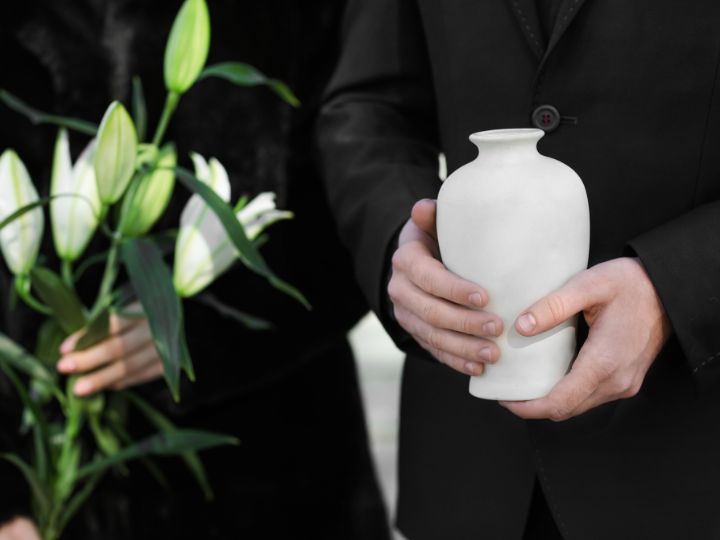
Direct cremation with a separate memorial. A direct cremation handles the immediate arrangements simply and affordably, while a memorial service — held days, weeks, or even months later — allows loved ones to gather on their own terms.
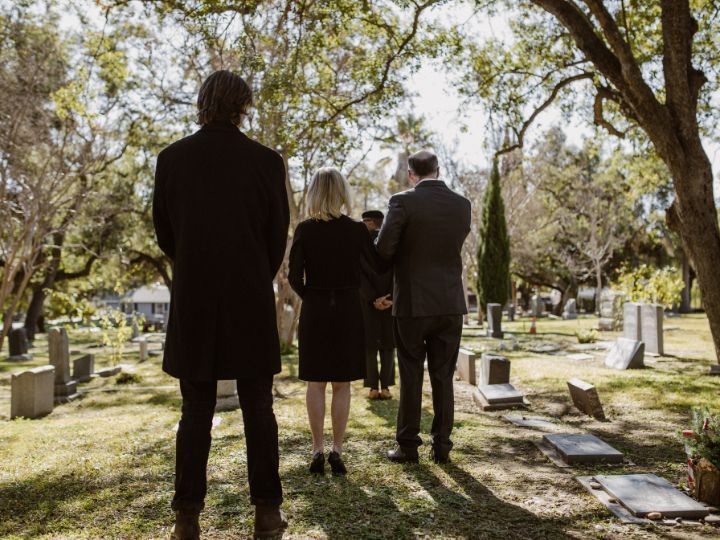
Hybrid services. Many families blend old and new: a traditional graveside burial combined with a personalized reception, or a cremation paired with a formal religious service. The options aren't mutually exclusive.
Online memorials and livestreaming. Virtual attendance has become a genuine, welcome option for family members and friends who live far away or can't travel.
What all of these have in common is intentionality. Modern funeral services are less about following a script and more about crafting something meaningful — something that actually feels like the person.
How Do You Decide Which Type of Service Is Right?
There's no universal right answer, and that can feel overwhelming when you're in the middle of grief.
Here are a few questions worth thinking through:
What did your loved one want? If they expressed a preference — even casually over the years — that's often the best place to start. Did they mention wanting a simple service? Did they talk about being buried near family? Did they say they didn't want a fuss? These wishes matter.
What does your family need? A funeral isn't only for the person who passed — it's also for the people who loved them. Some families need the structure and ceremony of a traditional funeral to feel grounded during a painful time. Others need something more informal and personal to feel like it's really them being honored. Both needs are legitimate.
What are your cultural or religious traditions? These can and should play a role. Honoring those roots — even in a modern service — can bring tremendous comfort.
What is your budget? There's no shame in asking about costs upfront. A good funeral home will be transparent with you about pricing and help you find the right fit without pressure.
Is there flexibility on timing? If key family members can't gather immediately, a direct cremation followed by a memorial at a later date might allow everyone to be present for the most meaningful part of the farewell.
Why Pre-Planning Matters More Than Most People Realize
One of the most important shifts in the funeral industry isn't about the services themselves — it's about when families start planning. Pre-planning a funeral, meaning making arrangements before the need arises, has grown significantly in recent years, and for good reason.
When you pre-plan, you relieve your family of having to make difficult decisions under the weight of grief and a time deadline. You get to choose exactly how you want to be remembered. You can lock in current pricing, protecting your family from potential cost increases down the road. And perhaps most importantly, you get to approach the conversation with clarity and calm rather than urgency and emotion.
Pre-planning also opens the door to a more honest family conversation about death — one that can actually bring people closer. Knowing that everything is taken care of gives both you and your loved ones real peace of mind.
Finding a Funeral Home That Can Do Both
Whether you're drawn to a traditional funeral or a more modern approach — or some thoughtful combination of the two — the most important thing is working with a funeral home that genuinely listens to you and has the experience to bring your vision to life.
At Sig's Funeral & Cremation Services in Bellingham, WA, the team understands that every life is unique, and every funeral should reflect that. They offer both traditional funeral services and modern cremation options, along with personalization services designed to help families create a service that truly honors who their loved one was. Whether you're planning ahead or need immediate assistance, their knowledgeable staff is available 24 hours a day to walk alongside you.
The funeral service landscape has changed — and those changes have largely been for the better. Families today have more options, more flexibility, and more opportunity to create a farewell that feels genuinely meaningful. The most important step is simply starting the conversation, whether that's with your family, your funeral home, or both.