Choosing the Right Memorial for Your Family
When someone you love passes away, there's a quiet question that eventually rises above the grief and the logistics: how do you want to remember them? A memorial isn't just a stone, an urn, or an afternoon gathering. It's the way a family tells the world — and tells itself — that this person mattered, that their life had shape and meaning, and that they won't be forgotten.
That said, choosing the right memorial can feel overwhelming. There are decisions about format, location, cost, timing, and tradition, often made while you're still processing the loss itself. This guide walks through the major considerations so you can move forward with a little more clarity and a little less stress.
Start With Who They Were
Before getting into logistics, it helps to think about your loved one as a person rather than as a checklist of decisions. Were they someone who loved being outdoors, who valued quiet faith, who filled every room with laughter, who spent decades building a career or raising a family? The best memorials tend to reflect something true about the person, not just convention.
This might mean a graveside marker engraved with a line from their favorite hymn or poem. It might mean a celebration of life held at the lake house where they spent every summer. It might mean something as simple as planting a tree in their honor. There's no single "right" way to do this — only the way that feels honest to who they were.
Permanent Memorials vs. Personal Keepsakes
One of the bigger forks in the road is whether you're looking at a permanent memorial, a personal keepsake, or both.
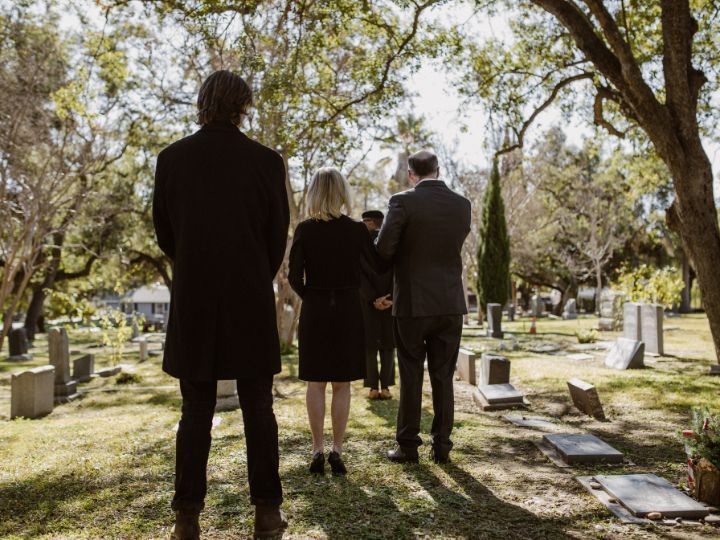
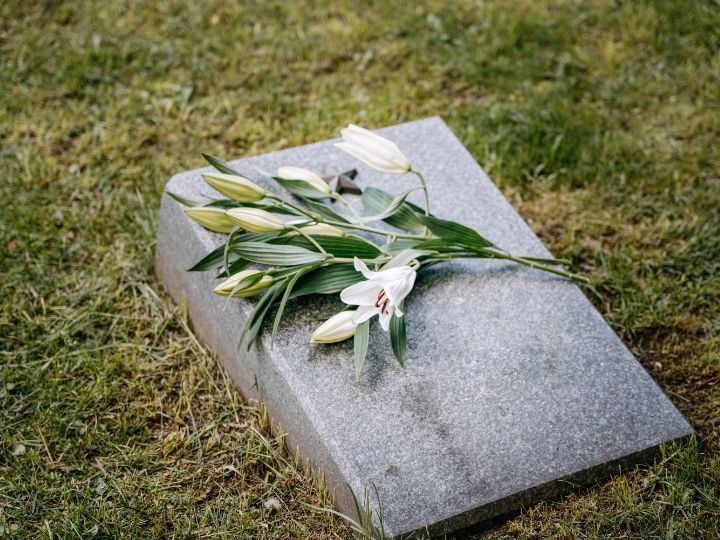
Permanent memorials — headstones, grave markers, mausoleum plaques, memorial benches — are meant to last. They give family and friends a physical place to visit, to sit, to talk to, to bring flowers. For many families, having that fixed location matters a great deal, especially in the years following a loss when grief tends to resurface around birthdays, holidays, or anniversaries.
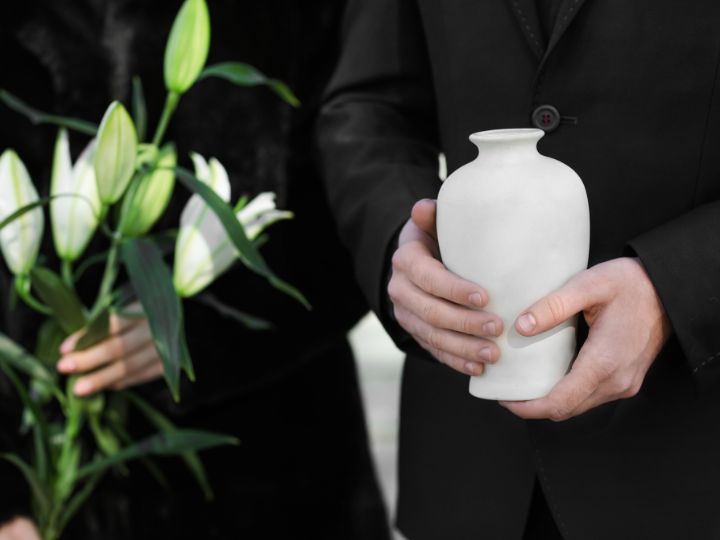
Personal keepsakes serve a different purpose. For families choosing cremation, this might mean an urn kept at home, a piece of memorial jewelry holding a small portion of ashes, or even scattering ashes in a meaningful location. These options tend to feel more intimate and portable, letting your loved one stay close in daily life rather than visited at a single site.
Neither option is more "correct" than the other, and many families choose a combination — a portion of ashes interred under a marker, with another portion kept as a keepsake at home.
The Role of a Memorial Service
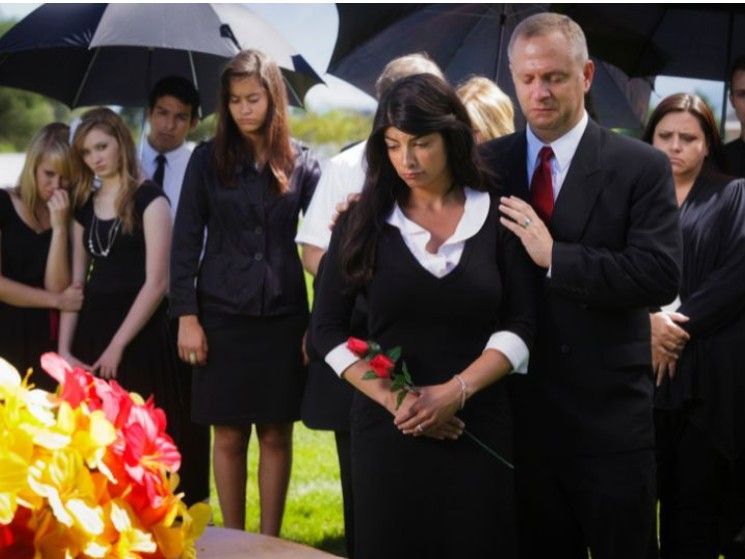
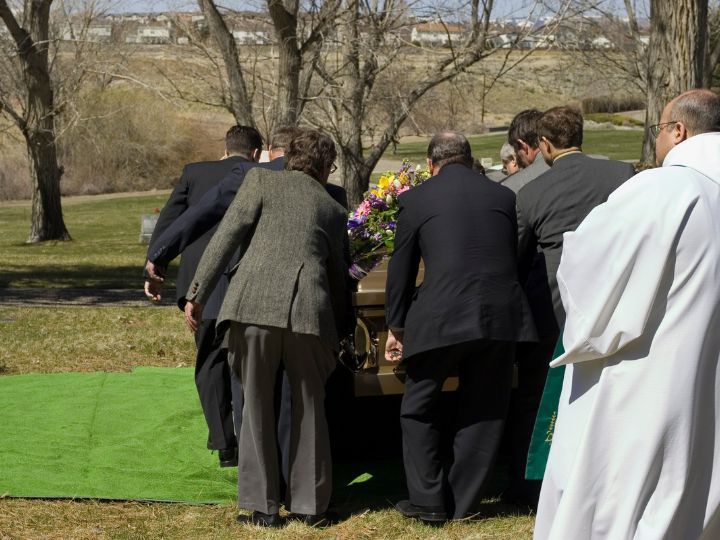
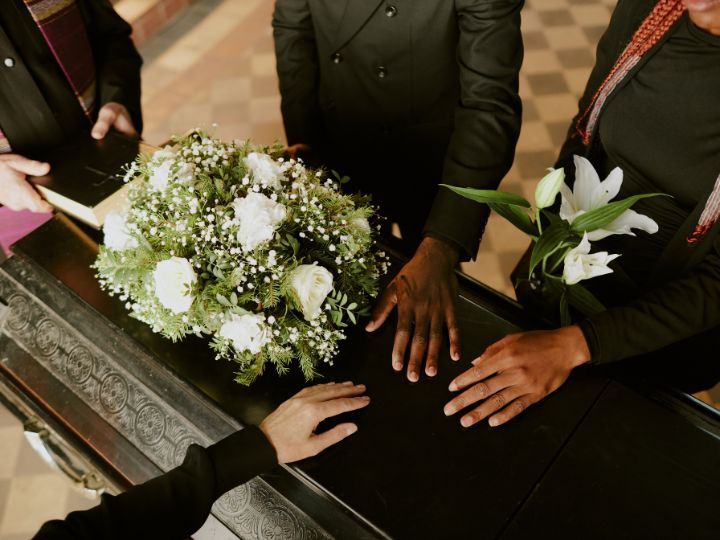
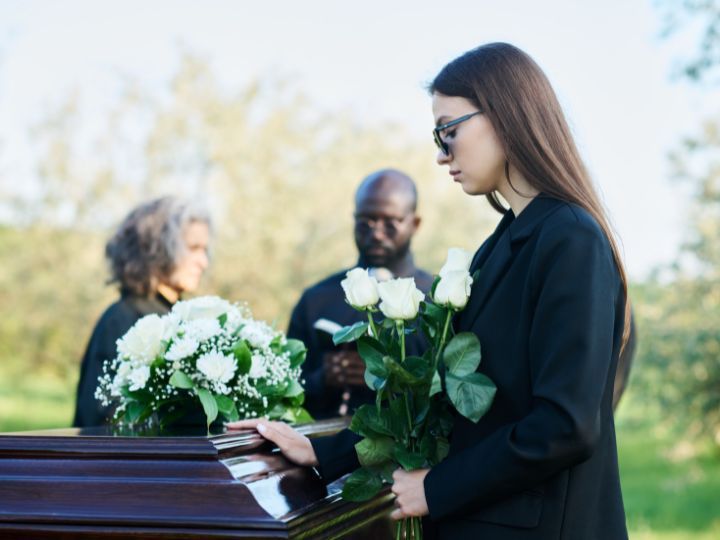
A memorial service is where a lot of the emotional weight of saying goodbye gets carried. It's the gathering — whether traditional, religious, or a more relaxed celebration of life — where family and community come together to grieve and to remember out loud.
Some families want a formal service with familiar rituals, especially if those traditions bring comfort or reflect a faith that was important to their loved one. Others prefer something less structured: a backyard gathering, a potluck, a slideshow of photos, stories told in no particular order. There's increasing room for personalization here, and a good memorial service can include elements of both — a brief traditional component followed by open sharing, for instance.
It's also worth thinking about timing and location. Some families hold the service quickly, close to the time of passing. Others wait weeks or even months, particularly if they're planning a memorial after a cremation and want time to plan something more elaborate, or if they're waiting for family members to travel in from out of state.
Honoring Cultural and Religious Traditions
Memorial choices are rarely made in a vacuum — they're shaped by family history, faith, and culture. Some traditions call for specific timelines, rituals, or burial practices. Others place more emphasis on communal mourning periods or particular ways of marking the gravesite. If your family observes specific customs, it's worth bringing those expectations into the conversation early, since they can influence everything from the type of memorial to how soon a service needs to take place.
Don't Overlook the Practical Side
As much as a memorial is an emotional decision, it's also a practical one. Budget plays a real role — headstones and monuments can vary widely in cost depending on material and customization, and the same is true for services, venues, and catering if you're planning a larger gathering. It's worth being upfront about budget early on rather than letting costs spiral as plans take shape.
It also helps to think about long-term maintenance. A grave marker in a cemetery may require little upkeep, while a memorial at a private residence — like a garden plaque or planted tree — may need more ongoing care. None of this should overshadow the emotional purpose of the memorial, but it's easier to make peace with these decisions when they're made with open eyes.
Bring the Family Into the Decision
Memorial planning often falls to one or two people, usually whoever is closest to the logistics or whoever stepped up first. But where possible, it's worth involving other family members, even if just to ask what they'd like to see included. Grief looks different for everyone, and a memorial that incorporates a few different voices — a reading chosen by a grandchild, a photo selected by a sibling — often ends up feeling more complete and less like a single person's interpretation of how things should go.
Why the Right Guidance Matters
This is a lot to think through, especially while grieving. That's where having someone in your corner — a funeral home that takes the time to actually understand your family rather than rushing you through a list of packages — makes a real difference. Families at Sig's Funeral & Cremation Services often mention how much it helps to sit down with someone who asks questions, listens to what mattered about their loved one, and helps translate that into memorial options that actually fit, rather than steering everyone toward a one-size-fits-all service.
A good funeral home won't tell you what your memorial should look like. They'll help you figure that out yourself, at your own pace, with options that match your budget, your traditions, and the person you're trying to honor.
Moving Forward
There's no perfect formula for choosing a memorial, and that's probably as it should be — your loved one wasn't a formula either. Whether you land on a traditional headstone, a celebration of life with music and storytelling, a quiet scattering ceremony, or some combination of all three, what matters most is that it feels true to the person you're remembering. Take your time, lean on the people around you, and don't be afraid to ask for guidance along the way.