How Cultural and Personal Traditions Shape Funeral Services
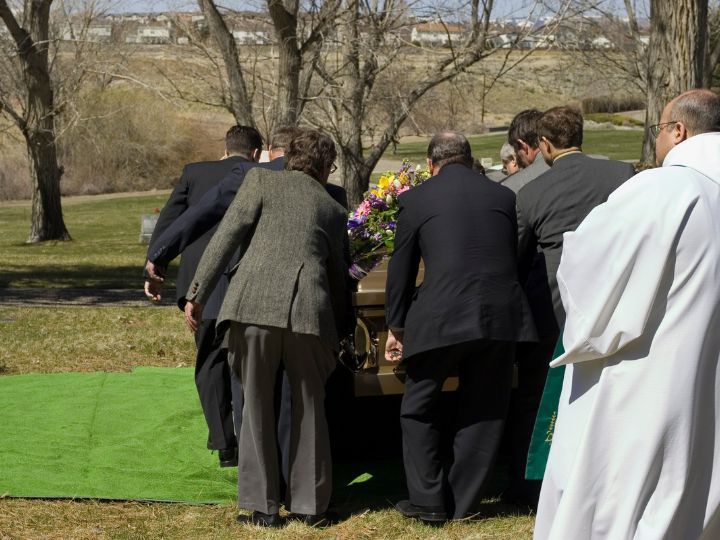
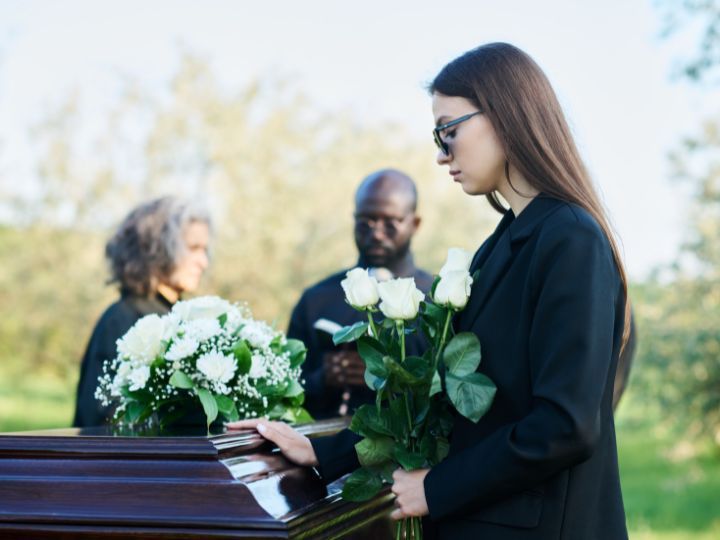
Every family who comes to us is carrying something different. A faith they grew up with. A custom passed down from a grandparent. A favorite song, a particular flower, a way of gathering that's been part of their family for generations. No two services look quite the same, and that's exactly how it should be. A funeral isn't just a goodbye; it's a reflection of how someone lived, what they believed, and the community that loved them.
That's why understanding cultural and personal traditions matters so much in funeral planning. The more a service reflects who someone really was, the more it helps a family begin to heal.
Why Funeral Traditions Carry So Much Weight
Traditions give people something steady to hold onto during a time that can otherwise feel disorienting. Whether it's a specific prayer, a moment of silence, or a particular order of events, these customs offer structure when emotions are running high. They also connect generations. A ritual that was observed for a great-grandparent often gets carried forward for a parent, and then eventually for the person planning it today. That continuity is part of what makes a traditional funeral service feel meaningful rather than just procedural.
How Culture Shapes the Way We Say Goodbye
Cultural influence for funeral service shows up in countless ways, and it often touches nearly every part of the planning process. Some families follow religious customs that call for a service within a day or two of passing, while others observe extended visitation periods that allow more time for friends and extended family to travel and gather. Some traditions favor a simple, modest casket, while others place importance on specific colors, fabrics, or symbols.
Music and readings are another area where culture plays a big role. A hymn that's been sung at every family funeral for decades, a poem in a family's native language, or a particular piece of scripture can carry far more weight than something generic. The same goes for food and gathering customs after a service. In many cultures, a shared meal isn't just a nice gesture, it's an expected and important part of honoring the person who passed and supporting the family left behind.
Mourning periods differ widely too. Some families observe a structured period of grief with specific customs tied to certain days or weeks afterward. Others mark the loss with an annual remembrance. None of these approaches is more "correct" than another; they simply reflect different ways of processing loss and honoring memory.
It's Not Just Culture, It's Personal History Too
Beyond broader cultural or religious customs, individual families often bring their own personal traditions to a service. Maybe it's playing a loved one's favorite song instead of a traditional hymn. Maybe it's incorporating a hobby they were known for, displaying photos from a specific era of their life, or asking guests to wear a color instead of standard black. Military families often want service branch honors included. Veterans, in particular, may have very specific wishes about flag presentation or honor guard participation.
These personal touches matter just as much as cultural ones. A funeral that feels like "them" rather than a generic template tends to bring families more comfort, because it tells the truth about who that person was.
Funeral Considerations Worth Talking Through Early
Because traditions can shape so much of a service, it helps to think through a few things early in the planning process:
Burial or cremation preferences, and whether either choice is tied to religious or cultural requirements. Timing expectations, since some traditions call for a quick turnaround while others prefer more time for family to gather. Specific rituals or readings that should be included, and who in the family is responsible for leading them. Attire, symbols, or colors that carry meaning for your family or community. Whether a gathering, meal, or reception should follow the service, and what that should look like.
Talking through these details ahead of time, even informally, makes the actual planning conversation much smoother when the time comes.
Finding a Funeral Home That Understands Your Traditions
Not every funeral home is equally comfortable working with the full range of cultural and personal traditions families bring through their doors. It's worth asking direct questions before you commit to a provider. Have they worked with your faith tradition before? Are they open to incorporating customs that fall outside a typical service template? Will they listen if you want something done a specific way, even if it's not how they usually do things?
At Sig's Funeral & Cremation Services, we've had the privilege of working with families from many different backgrounds, and we've learned that listening comes first. Every family's traditions, whether rooted in faith, culture, or simply how their own family has always done things, deserve to be understood and respected rather than fit into a one-size-fits-all process.
A Service That Truly Reflects a Life
At the end of the day, a funeral should feel like an honest reflection of the person being remembered. Culture and personal history both play a role in shaping what that looks like, and neither should be treated as an afterthought. Taking the time to think through your family's traditions, and finding a funeral home willing to honor them, helps create a service that brings real comfort rather than just checking boxes.
If you'd like to talk through how your family's traditions might shape a service, we're always here to listen and help you plan something that truly feels right.